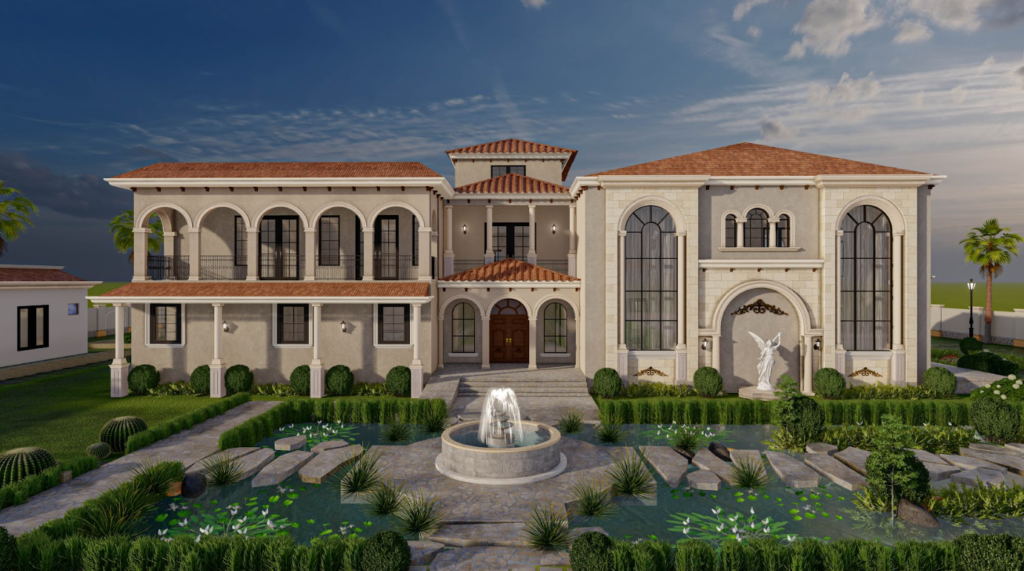
A Mediterranean villa that is under construction had a few revisions to reach reality.
Designing your home is a one-time dream that involves both your emotional and financial support. Initially, you may be all excited and begin visualising your dream home through Pinterest boards and Instagram saves. However, most homeowners get saturated as they move forward, as they encounter endless revisions. Home planning that is well-curated is what saves you from this. In fact, the quality of your home planning directly determines how smoothly your construction journey unfolds.
At Design Thoughts Architects, we have seen that the most successful projects are not the ones with the most elaborate designs, but the ones with the clearest understanding of how the home should function for the people living in it. We shall explore how to plan your home without endless revisions, with examples.
Why do endless revisions usually happen?
Revisions in a project are usually welcomed by architects as they refine a design according to the clients. However, when there are countless revisions, it means that the foundation for the home planning is missing.
These are the possible reasons for such a situation:
● Unclear priorities
● Contradictory family expectations
● Undefined budgets
● Insufficient understanding of site constraints
● Designing based solely on images rather than actual needs
● Making major decisions after the design has already progressed
Making major decisions after the design has already progressed
All of these point to weak home planning at the root.
How to define your requirements?
Begin with your lifestyle:
Instead of asking “What do I want?”, ask:
● How does my day begin and end?
● Do I work from home?
● How often do I host guests?
● Do I prefer open or private spaces?
● What are my daily habits and routines?
Your home should reflect your life and not just your likes. Draft a rough requirement with spaces that fulfill each of these activities in your day. Some homeowners find it helpful to work through a simple exercise that clarifies lifestyle needs before planning begins.
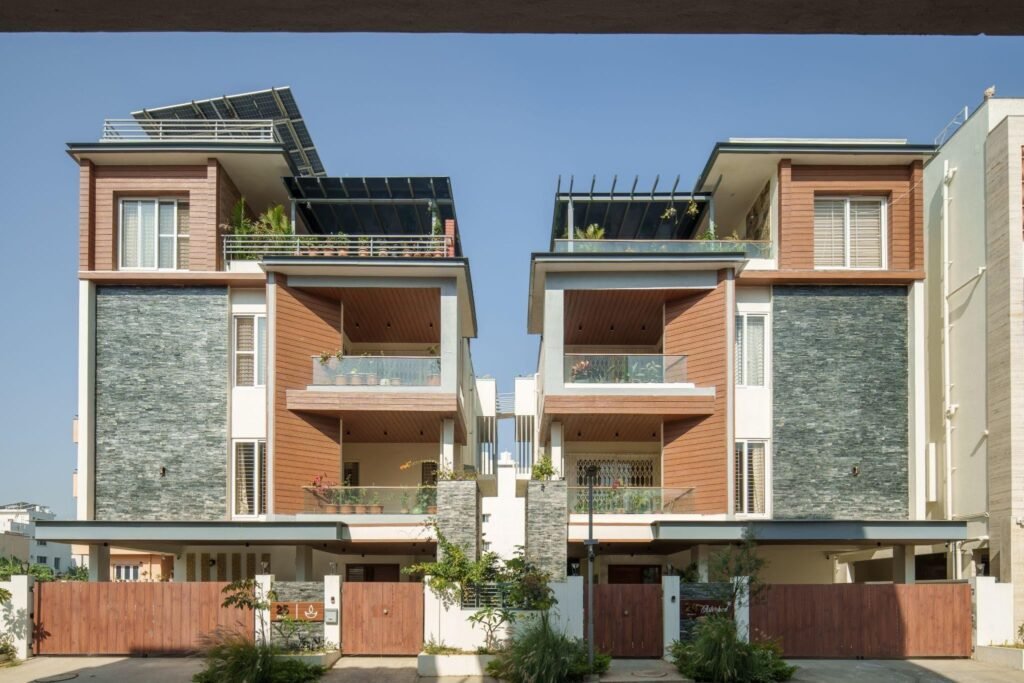
A twin home that is complete with the right requirements for two brothers
Define Spaces Based on Use:
Avoid generic requirements like “3BHK with a big living room”. Instead, think in terms of function:
● A quiet workspace with natural light
● A kitchen that allows two people to work comfortably
● A living area that accommodates gatherings
● Storage that keeps everyday clutter hidden
When requirements are functional in this way, design becomes more meaningful.
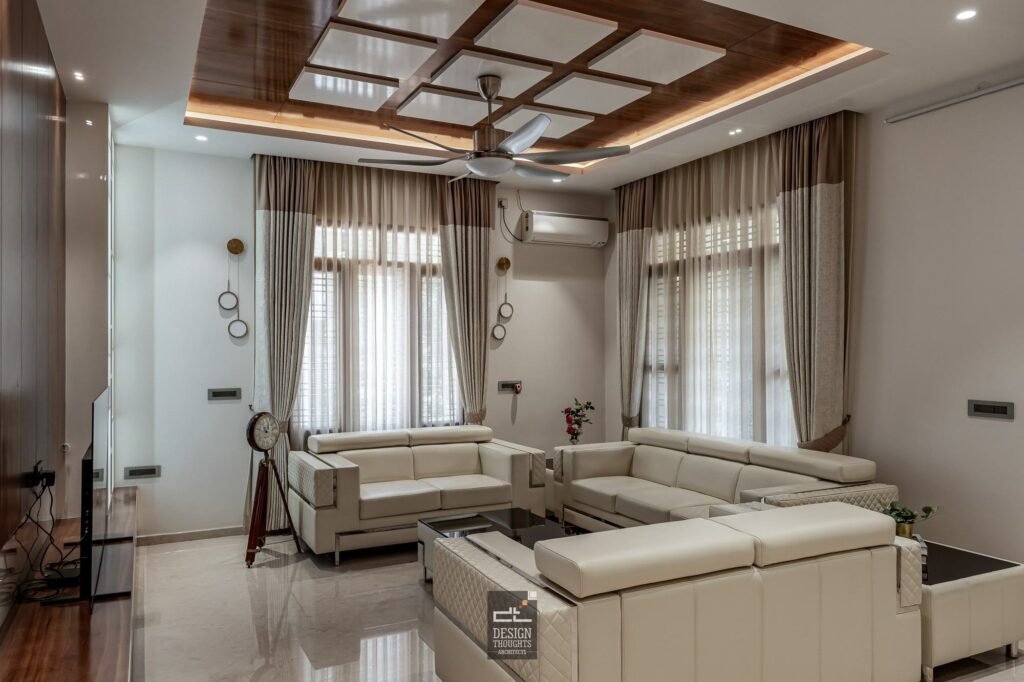
A spacious home is like what you will get when you don’t ask your architect for several spaces on your plot.
Think About Who Will Use the Space:
Your home isn’t static; it’s shared by all your family members, including anyone who may come over for future gatherings.
So consider:
● Family size (present + future)
● Elderly accessibility needs
● Children’s spaces
● Guest accommodation
● Privacy between members
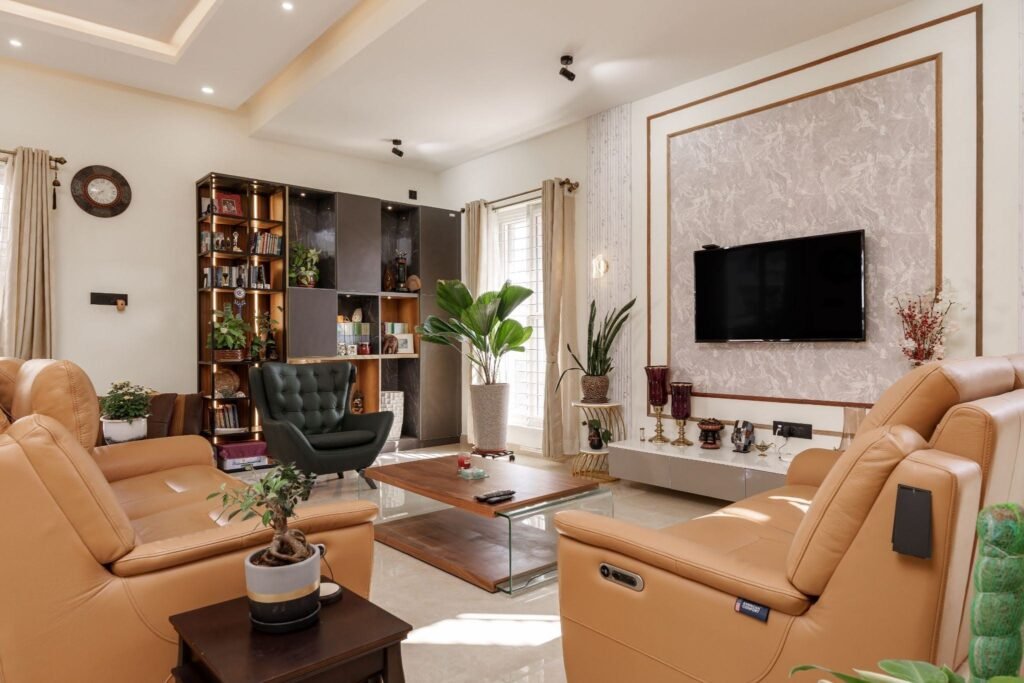
A spacious living space that lets in a good amount of light
Prioritise What Matters Most:
Not everything can be equally important, and you also cannot fit all the requirements inside your plot.
Ask yourself:
● What are the top 3 must-haves?
● Where are you willing to compromise?
This helps architects make better decisions when constraints arise, which they always do.
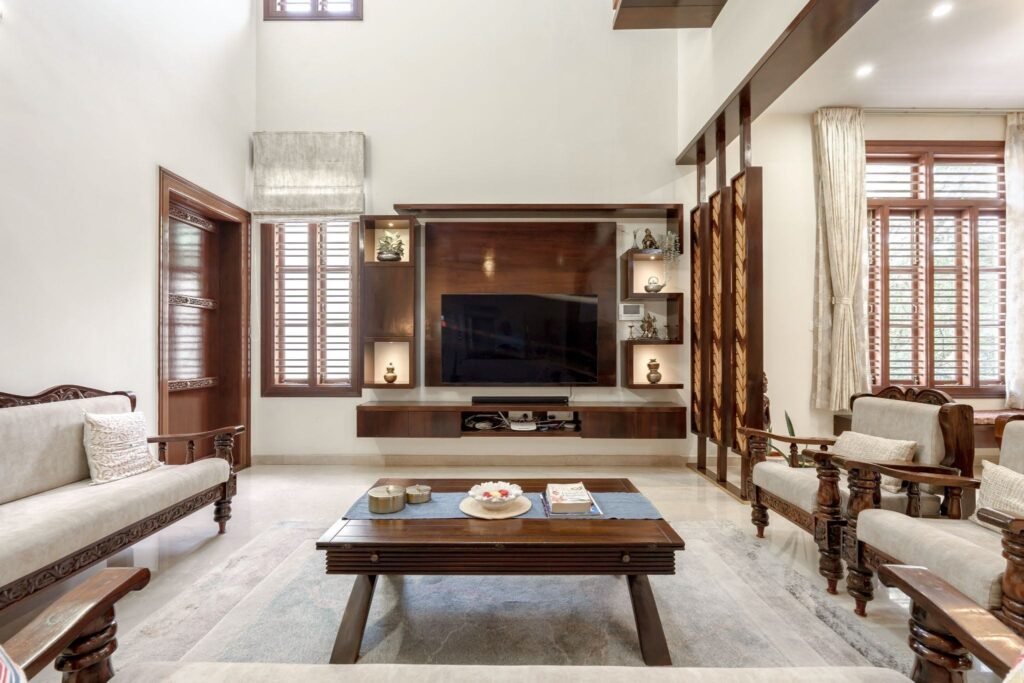
A spacious and luxury double-heighted living space could compromise on the bedroom sizes, while you can shift them to the first floor.
Consider Comfort, Not Just Aesthetics:
Beyond how your home looks, think about how it should feel:
● Bright or cozy?
● Open or intimate?
● Cool and breezy or enclosed and controlled?
These preferences influence where each room will be located.
● Orientation
● Window placement
● Materials
● Spatial planning
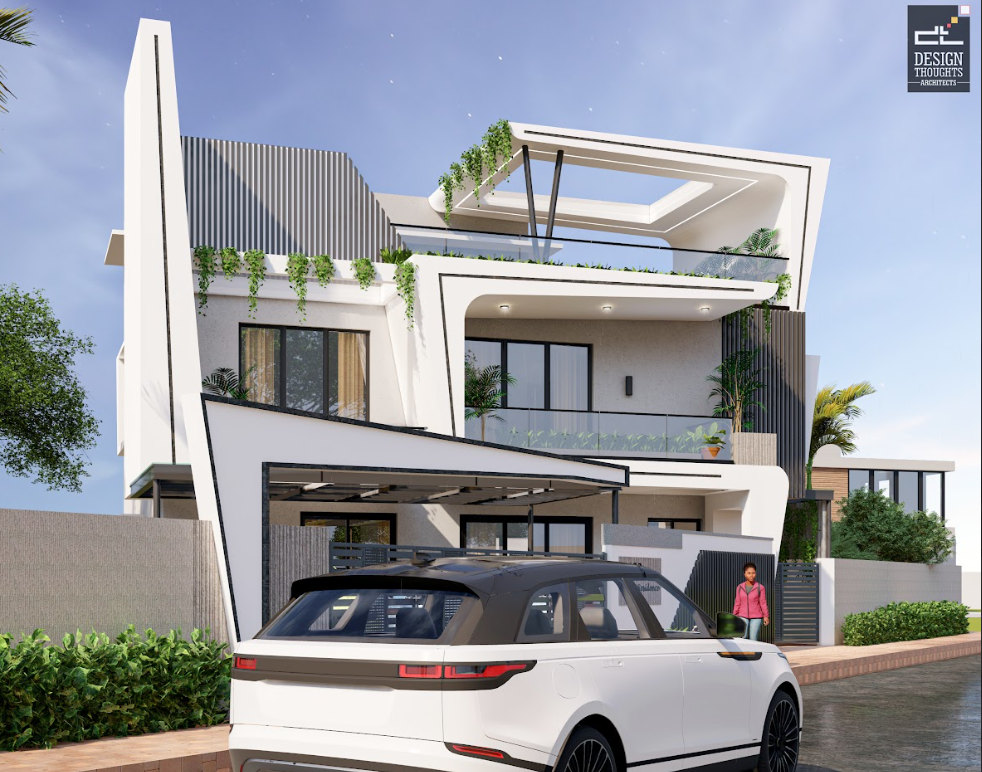
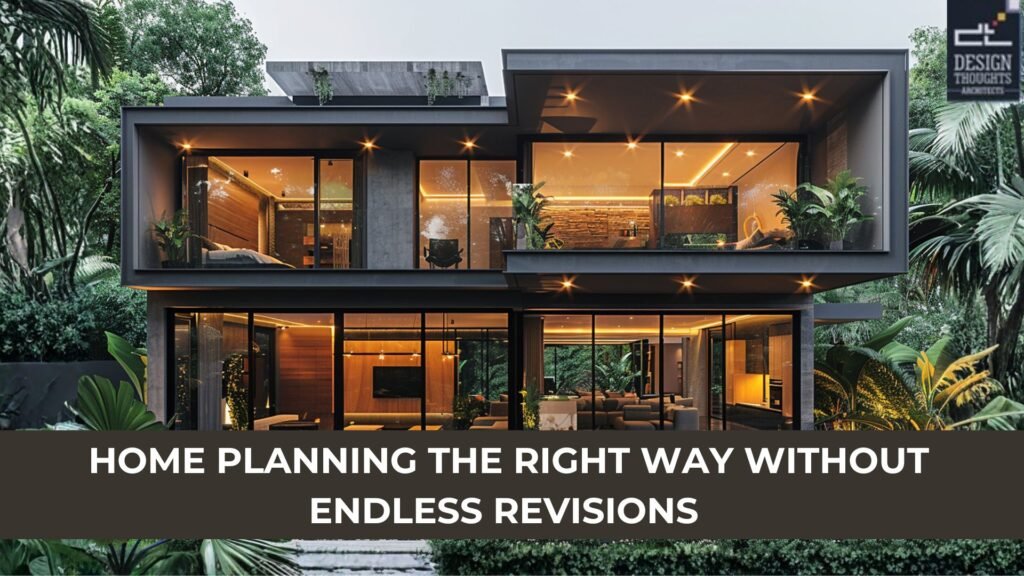
The above-mentioned factors give you opportunities to create a contemporary elevation like this.
Be Clear About Budget & Timeline:
Design decisions are closely tied to:
● Budget expectations
● Phasing possibilities
● Timeline constraints
Being transparent early avoids major revisions later. You can also research the market prices at present for a clear idea of the budget. Sometimes you cannot ask things like, “I want a classical elevation but at the cost of a modern elevation”. Such things are just not possible.
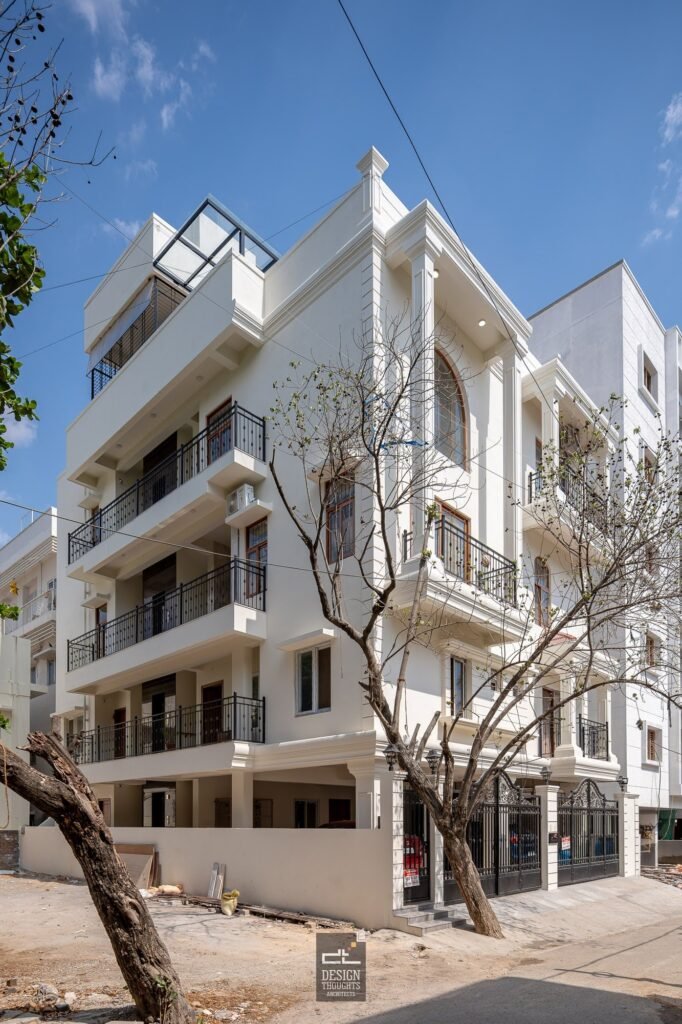
A classical elevation done with an appropriate budget
Share References and also Explain Why:
References are helpful, but only when you explain what you like about them.
Instead of: “ I like this house.”
Say:
● “I like how bright this space feels.”
● “I like the openness here.”
● “I like the material palette.”
This helps your architect understand your intent, not just your taste. Also, do not flood your architect’s DMs with every reference that you see online. Select the ones that will suit your requirements and plot your best.
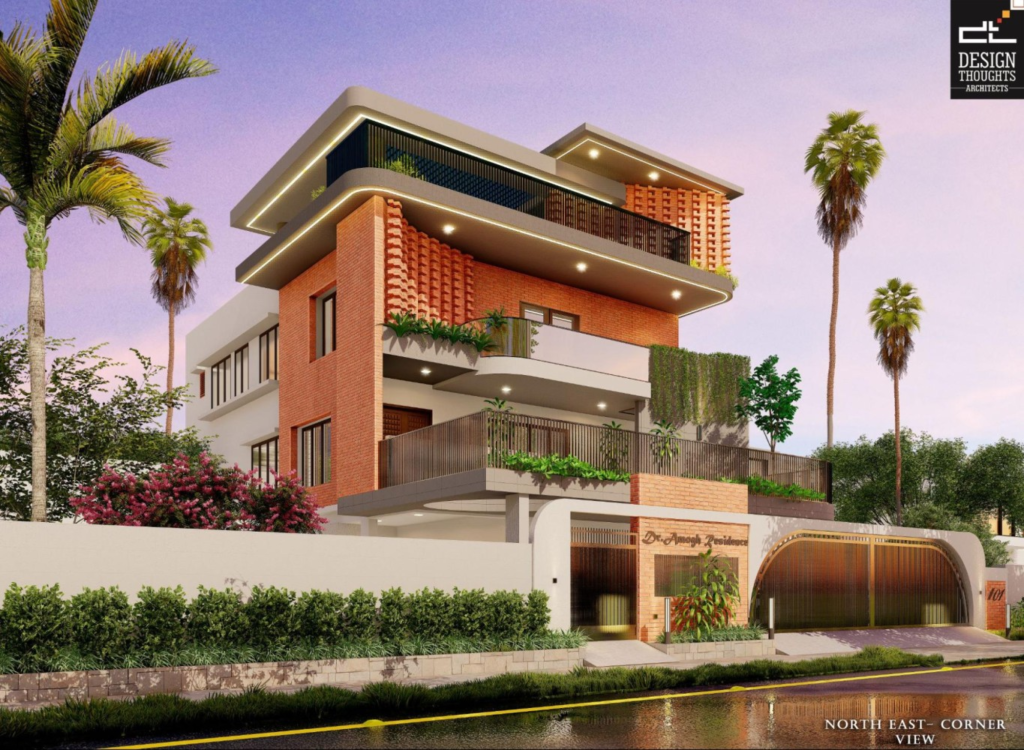
Final renderings of a home based on clear references given by the clients
Home planning process
Like our everyday tasks have a process, there is a certain process so that endless revisions are avoided. At Design Thoughts Architects, we follow a chronological home planning process that keeps your home planning intact without any hassle.
● Requirement gathering
● Site analysis
● Concept development
● Schematic design
● Design refinement
● Working drawings
● Construction documentation
This process also includes a detailed BOQ that we provide according to your built-up area. We also make sure that each stage is completed with confirmation, and only then proceed to the next step, keeping the home planning process streamlined.
What does a homeowner need to do?
If you are still thinking about how to plan your home without endless revisions, here is a quick checklist that you can refer to for the dos and don’ts.
1. Limit the number of decision makers.
The home is designed for you, so limit the number of decision makers to a maximum of two. Opinions from too many friends and relatives can become unnecessarily and also might influence you to listen to each one of them, em leading to revisions.
2. Ask your architects for a walkthrough.
Although your architects provide 2D plans, you can request 3D walkthroughs of the home to understand the length, width, and height inside the home before building it in real scale.
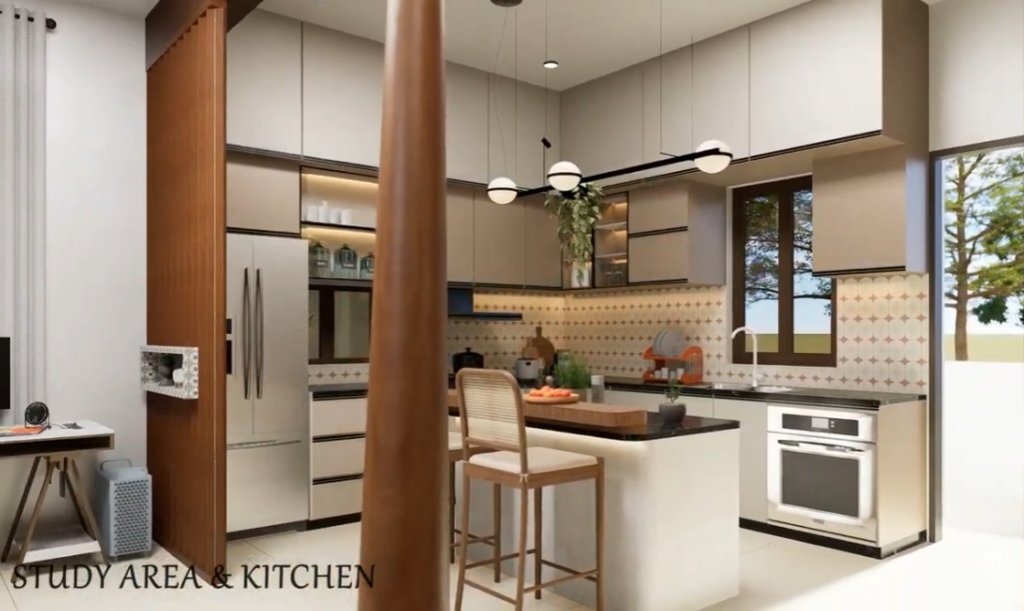
3. Keep the future in mind.
The home you build today should support your lifestyle in the present and also in the future. As your children grow older, as your parents age, the home must also age timelessly. If you are thinking of rental opportunities, decide it now.
Wrapping up
The most successful homes are not the result of constant redesign. They are the outcome of careful listening, thoughtful planning, and informed decision-making. When your requirements are clear, your priorities are defined, and your architect follows a structured process, the design journey becomes more enjoyable and far less stressful.
Instead of spending months revisiting the same questions, you can move forward confidently toward a home that feels personal, functional, and timeless.
At Design Thoughts Architects, we believe that exceptional homes are built on strong foundations of clarity and thoughtful design. When home planning is done right, the entire journey becomes more efficient, more enjoyable, and ultimately more rewarding. This is why investing time in home planning upfront pays off throughout construction and beyond.
FAQs
Home planning helps you define your requirements, lifestyle needs, budget, and future goals before the design process begins. This reduces confusion, avoids unnecessary revisions, and ensures your home is tailored to your family’s needs.
To avoid endless revisions, clearly define your space requirements, prioritize must-have features, establish a realistic budget, align family expectations, and work with an architect who follows a structured design process.
A home planning checklist should include the number of rooms, lifestyle needs, storage requirements, site conditions, budget, design preferences, future expansion possibilities, and timeline expectations.
Start by analyzing your daily routine, family size, work habits, and long-term needs. Instead of asking for generic spaces, describe how each area should function and how you want your home to feel.
Repeated revisions usually happen because of unclear priorities, conflicting opinions from family members, undefined budgets, and making major design decisions after the planning stage has progressed.
Your budget should be discussed during the initial planning stage. This helps the architect create a design that aligns with your expectations and prevents major changes later due to cost constraints.
Ideally, one or two primary decision-makers should lead the process. Too many opinions from friends and relatives can create confusion and result in unnecessary revisions.
Design references are useful when you explain what you like about them, such as natural lighting, openness, or material choices. This helps your architect understand your design intent rather than simply copying a style.
A structured home planning process generally includes requirement gathering, site analysis, concept development, schematic design, design refinement, working drawings, and construction documentation.
An architect translates your requirements into a practical and buildable design, balances aesthetics with functionality, guides you through decisions, and ensures the project stays aligned with your budget and lifestyle goals.