East-Facing House Vastu Plan: Layout, Room Placement and Benefits
An east-facing house Vastu plan puts the main entrance on the east or north-east side, the kitchen in the south-east, the master bedroom in the south-west and the pooja room in the north-east. This guide gives the room-by-room layout, what to avoid, and the benefits of an east-facing home. For the wider rules, read our guide to Vastu principles in architecture.
Last updated: October 2026
East-facing house Vastu plan: room-by-room placement
| Room | Best position | Note |
|---|---|---|
| Main entrance | East or north-east | Make it the largest door in the house |
| Living room | North-east, north or east | Large east windows bring in morning light |
| Kitchen | South-east | North-west is the usual alternative |
| Master bedroom | South-west | Gives the head of the family the most stable corner |
| Pooja room | North-east | Keep the corner clean and clear |
| Staircase | South or west | Avoid the north-east corner |
| Toilets and septic tank | South or west side | Avoid the north-east |
Sources differ on a few placements, and these are traditional guidelines, not structural rules. Confirm the final layout for your plot with your architect.
Vastu for a home is the fundamental aspect based on which the positioning of spaces is decided. This benefits the home and the family in several ways. Here we will go through the east-facing house Vastu benefits in detail.
Are you looking to buy a new home or shift to another one? If yes, have you considered the direction of your home as per Vaastu Shastra? According to this ancient Indian science, each direction has significance and is believed to influence different aspects of our lives. Consulting an experienced Bangalore architect from Design Thoughts Architects can help you incorporate Vaastu principles into your home’s layout while maintaining modern design and functionality. This blog post will explore the benefits of an east-facing house Vaastu plan and how it can positively influence various aspects of your life. So, let us dive in and understand why it is worth considering, as per Vaastu Shastra.
What is Vaastu Shastra-
Vaastu Shastra is frequently misunderstood as an ancient myth that people blindly follow. However, vaastu is a science that explains the art of design, dimensions, and directions. Do not let myths deceive you; vaastu is a fascinating subject that can help you create peaceful living spaces.
If you are considering building a new home or making changes to your existing home, consider consulting with design thoughts architects. They can help you create a space that is in harmony with nature and brings you peace, health, and happiness.
Principles of Vaastu Shastra-
Vaastu principles state that every space is infused with positive and negative energy. Following Vaastu principles may increase positive energy flow while reducing negative influences. For centuries, people have placed great value on the orientation of their homes, with east-facing residences believed to bring an abundance of good fortune, prosperity, health, and joy. This is not superstition; there is a scientific explanation for it. As the sun rises in the east, natural light and ventilation flood the space, creating a warm and inviting atmosphere that promotes inner calm and serenity.
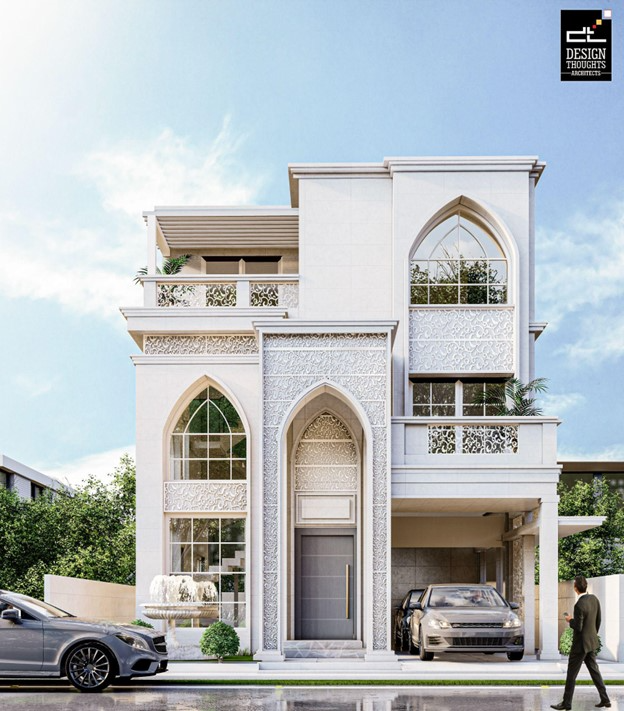
Elevation of an east-facing home
East-facing house plan on your plot
The layout changes with the plot size, so draw it before you finalise the rooms. On a 30×40 plot the north-east corner is small, so use it for the pooja room or a clear entrance lobby. A 40×60 plot leaves room for a living room in the north-east and a kitchen and dining area on the south-east side.
Add two Design Thoughts drawings here: an east-facing 30×40 plan and an east-facing 40×60 plan. Alt text for each: east facing house Vastu plan 30×40, east facing house Vastu plan 40×60.
Related guides: 40×60 house plan.
Benefits of East-facing House Vaastu plan-
There are many benefits of an East-facing home with Vastu. One of the most important benefits is that it brings good health and wealth. An east-facing house also helps to keep the mind and body active and provides positive energy. Some other benefits of an east-facing home are-
Brings Positive Energy-
An east-facing house receives maximum sunlight in the morning, which is considered highly beneficial for health and well-being. Sunlight is a natural source of Vitamin D, and it helps to improve immunity and reduce stress levels. The early morning sun rays also bring positive energy and a feeling of freshness to your home.
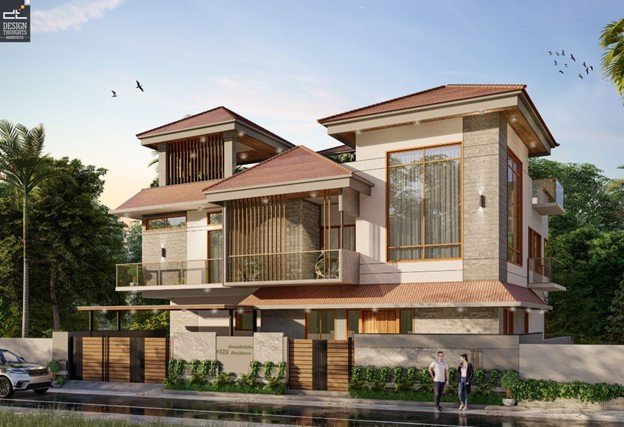
An east-facing home with ample open spaces to let in natural light and spread positivity
Ensures Good Health-
According to Vaastu Shastra, the direction of the entrance plays a crucial role in determining the health and well-being of the occupants. An east-facing house vaastu plan ensures that the entrance is in the most auspicious direction, which helps to promote good health and vitality. An east-facing home also gets ample morning sunlight, which is excellent for health. The sun’s rays are said to have healing properties and can help to improve one’s health.
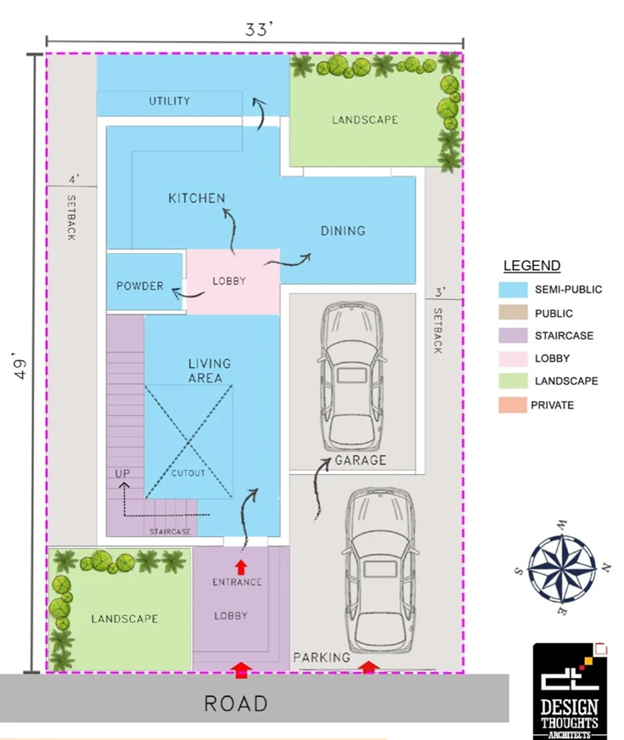
A zoning for an east-facing home plan
Improves Wealth and Prosperity-
According to Vaastu Shastra, an east-facing home brings wealth and prosperity to the occupants. The main reason behind this is that the east direction is associated with the planet Sun, which is said to be the source of all life and energy.
In addition, an east-facing home is considered auspicious for health and overall well-being. This is because the east direction is associated with the element of air, which is said to be beneficial for our health. The positive energy of the sun and the air can help us balance our lives, leading to a more prosperous and fulfilling life.
Enhances Creativity-
The east direction is regularly associated with creativity and innovation. Thanks to an east-facing house Vaastu plan, you can create an optimised setting for inspiring ideas and out-of-the-box thinking. This way of setting up your home could help you focus your creative energy and improve your artistic skills. This could be especially useful for people who work in creative fields like art or writing and must always use their imagination.
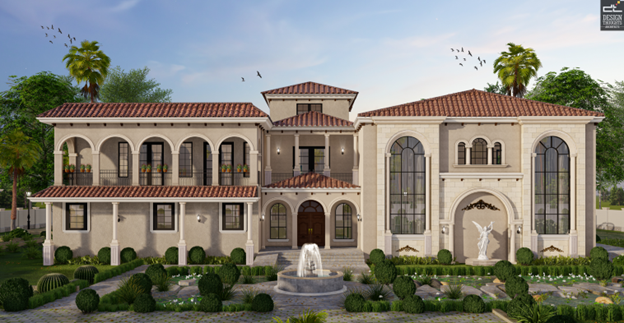
Grandeur created in an east-facing home
Promotes Harmonious Relationships-
When you opt for an east-facing house Vaastu plan, you take advantage of that direction’s creative energy while strategically positioning your bedrooms and living rooms. It can bring a sense of harmony and balance to your home, creating a positive atmosphere that can benefit relationships with family and friends. By adhering to the principles of vaastu, you can foster an environment that encourages peace, joy, and well-being.
Provides Natural Ventilation-
An east-facing house vaastu plan allows for natural ventilation and cooling, as the prevailing winds from the east bring fresh air into the house. Doing so can reduce your energy bills and create a comfortable living environment.
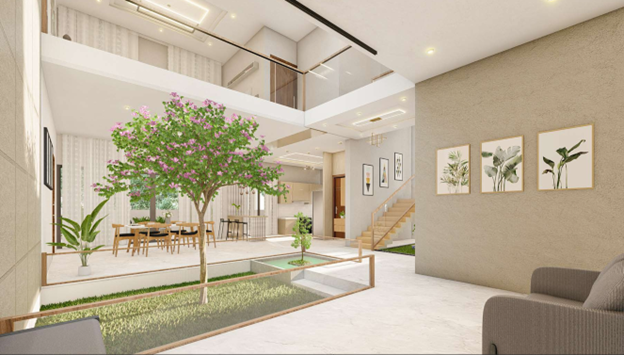
East-facing home with a courtyard for natural light
East-facing house Vastu dos and don'ts
- Do keep the north-east corner open, clean and clutter-free.
- Do place large windows on the east side for morning light.
- Do make the main door the largest door of the house.
- Don’t put a toilet, septic tank or kitchen in the north-east.
- Don’t block the east side with tall walls or heavy storage.
Designing a modern east-facing home
An east-facing plot works well with a contemporary design. Large east-side openings, a courtyard or a double-height space bring in morning light, while shading devices on the south and west keep the afternoon heat out. Read how we plan homes in our residential architects in Bangalore page.
Conclusion-
Vaastu Shastra has existed since ancient times in India and is still an essential part of Indian culture. If you want to build your home, considering the benefits of building it as per Vaastu guidelines can be a great way to bring peace and harmony into your life.
Looking for Modern Residential Architects in Bangalore that incorporates Vastu principles? Look no further than Design Thoughts Architects! We aim to provide customized solutions in the architecture and design field. Our customer-centric team goes extra step to provide 100% customer satisfaction in bringing your dream home to life. Contact us today to schedule a consultation and take the first step towards your dream home. Let us help you make your vision a reality.
An east-facing home based on Vaastu principles will ensure that all aspects of life are balanced and harmonious. We hope this article on the benefits of an east-facing home with Vaastu has helped you decide on your new home.
If you found this blog helpful, then please subscribe to our YouTube Channel. You’ll find many more helpful projects there. You can follow us on Facebook, Instagram, Pinterest, and Houzz to stay in the loop.
Frequently Asked Questions:
Yes, an east-facing house is considered highly auspicious in Vaastu Shastra. The east direction is associated with the rising sun, symbolizing growth, positivity, health, and new beginnings.
An east-facing home offers several benefits such as abundant morning sunlight, improved health, enhanced positivity, better ventilation, prosperity, and harmonious relationships when designed according to Vaastu principles.
In an east-facing house, the main entrance should ideally be placed in the northeast or central-east zone. Proper entrance placement ensures the smooth flow of positive energy into the home.
According to Vaastu Shastra, the east direction is governed by the Sun, representing power and vitality. A well-planned east-facing house is believed to attract financial growth and career opportunities.
Yes, east-facing homes receive ample morning sunlight, which is beneficial for physical and mental health. Exposure to early sunlight helps improve immunity, regulate sleep cycles, and boost overall well-being.
For an east-facing home:
● Living room: Northeast or north
● Kitchen: Southeast
● Master bedroom: Southwest
● Pooja room: Northeast
● Staircase: South or west
Proper zoning ensures balance and harmony.
Absolutely. East-facing homes can seamlessly blend modern architecture with Vaastu principles. Smart spatial planning, large openings, courtyards, and sustainable features enhance both aesthetics and functionality.
East-facing homes receive gentle morning sunlight, which is less harsh compared to west-facing afternoon heat. With proper shading devices, landscaping, and ventilation, thermal comfort can be easily maintained.
Yes, the east direction is associated with creativity and clarity of thought. An east-facing home may help foster focus, innovation, and inspiration, especially beneficial for artists, writers, and entrepreneurs.
Yes, even if structural changes are not possible, adjustments in interior layout, entrance enhancements, placement of furniture, lighting, and décor elements can help align the home with Vaastu guidelines.
The kitchen is best placed in the south-east, which Vastu links with the fire element. If that is not practical, the north-west is the usual alternative.
The pooja room is best placed in the north-east corner of the house, which should be kept clean and clutter-free.
Avoid toilets, septic tanks and kitchens in the north-east, and do not clutter the corner with heavy storage.